
Multifamily properties,
acquired the right way.
Off-market multifamily deal sourcing and acquisition. Underwriting that prices in AB 1482, local rent-regulation overlays, and the actual cost of operating in the submarket - not the optimistic broker pro forma.

Underwritten by the team
that operates them.
NextGen Properties acquires multifamily properties - for our own balance sheet and on behalf of capital partners. We do not acquire single-family rentals, individually-held condos, or short-term rental portfolios. Acquisition is in service of the management business, not a separate empire.
That focus changes how we underwrite. Every California building gets modeled against AB 1482 with the correct MSA cap, plus any local overlay - LA RSO, Santa Ana RSO, Pasadena Measure H, Glendale Just Cause. Every Sun Belt building gets modeled against the actual rent comps, vacancy patterns, and operating costs from our own management portfolio in that submarket. Broker pro formas are the starting point. Our own data is the calibration.
Because we close into the management platform on day one, the renovation team, the leasing team, and the regulatory tracking are all already mobilized when escrow closes. There is no execution gap between acquisition and value creation - which is where most of the alpha in multifamily acquisition actually lives.
Discuss an acquisition opportunityStabilized. Value-add.
Opportunistic.
Every multifamily acquisition we pursue falls into one of three categories - each with its own sourcing approach, underwriting framework, and value-creation thesis.
Stabilized Multifamily Properties
Well-occupied, professionally-operated multifamily properties acquired for long-term cash-flow yield. The thesis is straightforward: buy a building that is already running, hold it, and let the rent grow within the applicable cap framework. Most of our California stabilized acquisitions sit inside an AB 1482 plus local-overlay regime - which is fine, because we are pricing to that reality at entry.
These deals trade on cap rate. Our edge is operational: lower management overhead because we run the platform, faster vendor pricing because we have the relationships, and tighter capital-expense planning because we know the failure curves on the major systems.
- 5–100+ unit California and Sun Belt multifamily properties
- Stabilized occupancy with documented operating history
- Long-term hold, cash-flow-yield thesis
- Underwritten against AB 1482 plus any local overlay
- Direct close into our management platform
Value-Add Multifamily Properties
Multifamily properties with deferred maintenance, below-market rents (where the framework allows), high vacancy, or weak in-place management. The thesis is improvement: a renovation program, a leasing reset, and a professional management overlay produce measurable rent and NOI lift over a defined hold.
Our integrated platform matters most here. Our construction team prices the renovation scope using actual unit-turn data from our own portfolio. Our property management team underwrites the post-renovation rents using actual rent-roll comps, not broker projections. The pro forma holds together because it is built from real numbers.
- Multifamily properties with documented value-add upside
- Deferred maintenance priced to reflect risk
- Vacancy and lease-up upside in non-regulated rents
- In-house renovation execution & stabilized management
- Defined renovation budget & lease-up timeline
Opportunistic Apartment Acquisitions
Multifamily properties where a motivated seller, an estate situation, weak in-place management, or a misunderstood regulatory profile has created a mispricing. These are not distressed deals - they are under-marketed deals. Our acquisition team specializes in identifying and moving on these situations before they hit a brokered listing.
Value creation here typically comes from professional management, leasing reset, modest capital deployment, and re-positioning the building’s identity in the submarket. Compressing the time to stabilization is the key lever - and our integrated platform compresses it as a matter of routine.
- Off-market multifamily deals
- Motivated seller, estate, or partnership-buyout situations
- Weak in-place management with strong location fundamentals
- Mispriced California buildings due to misread regulatory profile
- Fast professional-management overlay drives early NOI lift
From sourcing to
day-one operations.
Every acquisition runs the same disciplined process - rigorous, fast when the deal demands it, and structured to hand off cleanly into the management platform on the day escrow closes.
Off-market multifamily deal flow
Most of our acquisitions come through broker relationships, owner referrals, and direct outreach to multifamily owners in our target submarkets. We also review brokered listings - especially in regulatory-heavy California where our underwriting depth gives us an edge over generalist buyers who price as if the building were free-market.
48-hour evaluation against acquisition criteria
Every deal screened within 48 hours: location, unit count, building condition, in-place rent vs. submarket, applicable rent-regulation framework, and the stabilized return our model produces against current pricing. Deals that clear move into detailed underwriting. Deals that do not get a prompt no - sellers and brokers deserve a fast answer either way.
Built from our own operating data
Our underwriting model uses rent comps from our own management portfolio, vacancy and turnover data from our own buildings, and operating expense ratios from our own books in that submarket. California buildings get modeled against AB 1482 with the correct MSA cap, plus any local overlay. Every assumption is documented and defended.
Credible offers backed by track record
We submit clear, complete LOIs - backed by a track record of closing on what we sign. Our negotiation approach is firm on terms that drive returns and flexible on terms that matter to sellers (extended escrow, leaseback, partial seller carry). Sellers get credible execution. We get the deals worth pursuing.
Lease-by-lease and system-by-system
Lease audit (including rent-regulation compliance position, security-deposit reconciliation, and any pending notices), physical inspection of all units and major systems, environmental and title review, and verification of all financials against bank deposits. Material findings get addressed through price adjustment, seller credit, or, when warranted, withdrawal.
Direct handoff into the management platform
On the day of close, the management team is already onboarded, the resident-notice packets are mailed, the rent payment instructions are updated, and any planned renovation work is scheduled. There is no two-week lag between buying the building and operating it - the platform is ready to run from the moment the wire clears.

Multifamily underwriting is not a spreadsheet exercise. It is a question of whether the assumptions hold up under operating conditions in the actual submarket - with the actual rent regulation, the actual vendor cost, and the actual tenant profile.
We do not underwrite to optimistic projections. Every deal is stress-tested against a base case calibrated to our own operating data, plus a downside case that still meets our return thresholds. If the downside breaks, the deal does not advance - even if the base case looks attractive.
Operating depth becomes
underwriting accuracy.
Active apartment markets
across six states.
California
Orange County, Greater Los Angeles, Inland Empire, San Diego. Focus: stabilized and value-add multifamily properties inside AB 1482 plus the relevant local overlay (LA RSO, Santa Ana RSO, Pasadena Measure H, Glendale Just Cause).
Arizona
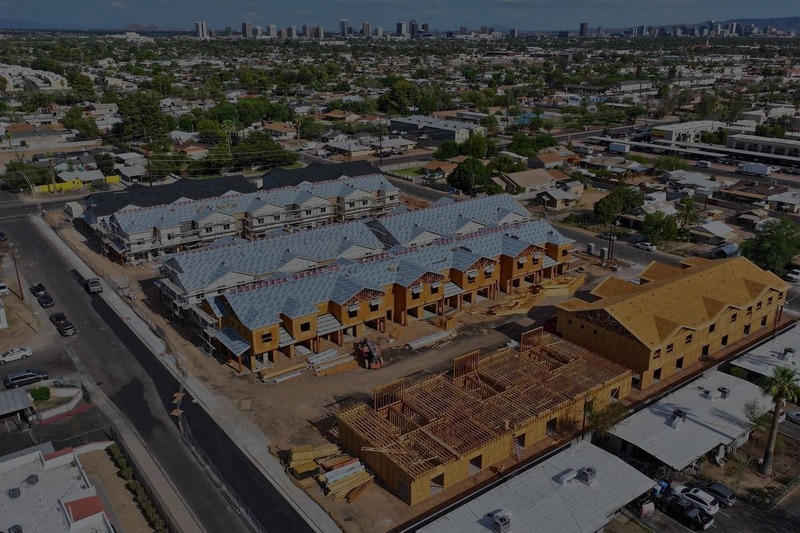
Phoenix, Scottsdale. Focus: garden-style and podium multifamily properties in high-growth submarkets. Active development track record (Canyon Townhomes, Elevation Townhomes) anchors the local platform.
Nevada
Las Vegas, Henderson. Focus: stabilized and value-add multifamily properties. No state income tax and continued in-migration support steady rental demand.
Utah
Salt Lake City. Focus: multifamily properties in one of the fastest-growing US metros. Young demographics and constrained supply support favorable acquisition fundamentals.
Common questions about
working with NextGen on acquisitions.
Multifamily properties, almost exclusively. Stabilized buildings for long-term hold, value-add buildings where capital improvements and a renovation program drive returns, and occasional opportunistic acquisitions where a motivated seller and weak in-place management create entry-point upside. We do not acquire single-family rentals, individually-held condos, or short-term rental portfolios.
Because multifamily properties are what we run. Underwriting an asset class you are not going to operate is theory; underwriting one you operate every day is calibrated to reality. Our acquisition team uses our own management portfolio’s actual rent rolls, vacancy patterns, vendor pricing, and capital-expense history to underwrite each deal - which produces offers that hold up when the deal closes and the renovation actually starts.
Carefully. Every California building gets underwritten against AB 1482 (with the correct MSA cap) plus any local overlay - LA RSO, Santa Ana RSO, Pasadena Measure H, Glendale Just Cause, or other municipal ordinance. We model allowable-increase trajectories, banked-increase potential, just-cause constraints on substantial-remodel programs, and relocation-assistance exposure. Buildings priced as if they were free-market typically get repriced or passed.
Yes. We source and acquire multifamily properties for our own balance sheet and on behalf of individual investors, family offices, and institutional capital partners. Typical structures are joint ventures with NextGen as the operating partner - sourcing and underwriting the deal, managing the closing, and operating the building post-acquisition. Visit our Investors page for more on co-investment structures.
Yes. We acquire directly from owners regularly - and prefer it. Direct seller transactions avoid bidding pressure and often allow flexible terms (extended escrow, leaseback, partial seller carry) that a brokered listing cannot. If you own a multifamily property anywhere in our six-state footprint and are open to a quiet, off-market conversation, contact us.
Range varies. Small-end transactions are 5–20 unit buildings in California submarkets. Larger end runs to 100+ unit communities in Sun Belt markets. Deal quality and risk-adjusted return drive selection - not a fixed unit-count threshold. Contact us to discuss the specifics of your situation.
Standard due diligence runs 21–30 days for a multifamily acquisition with clean books and accessible records. Faster is possible when needed - we have closed all-cash transactions in under 14 days when sellers required expedited timing. Our pace is set by the deal, not by an arbitrary template.
Have a building - or
looking for one?
Whether you own a multifamily property you’re considering selling, are looking for a regulation-aware operator to underwrite a deal alongside, or have capital ready to deploy with a disciplined multifamily specialist - we’d like to talk. Our acquisition team responds to every inquiry within one business day.